



The crooked tooth you notice in photos may be only part of the picture. Perhaps your front teeth overlap more than you expected, or biting through a sandwich feels awkward. Invisalign can straighten teeth while also improving certain bite problems, depending on what is causing them.
That distinction matters when you’re deciding whether clear aligners are right for you. Keep reading to learn how Invisalign can change the way teeth meet, which bite patterns may respond, and what goes into a candidacy assessment.
Where Invisalign Can Help
Using Invisalign for bite problems starts with understanding the relationship between your upper and lower teeth. Your dentist looks at how they meet, the space available, and whether the concern involves tooth position, jaw structure, or both.
1. Plan the Whole Bite
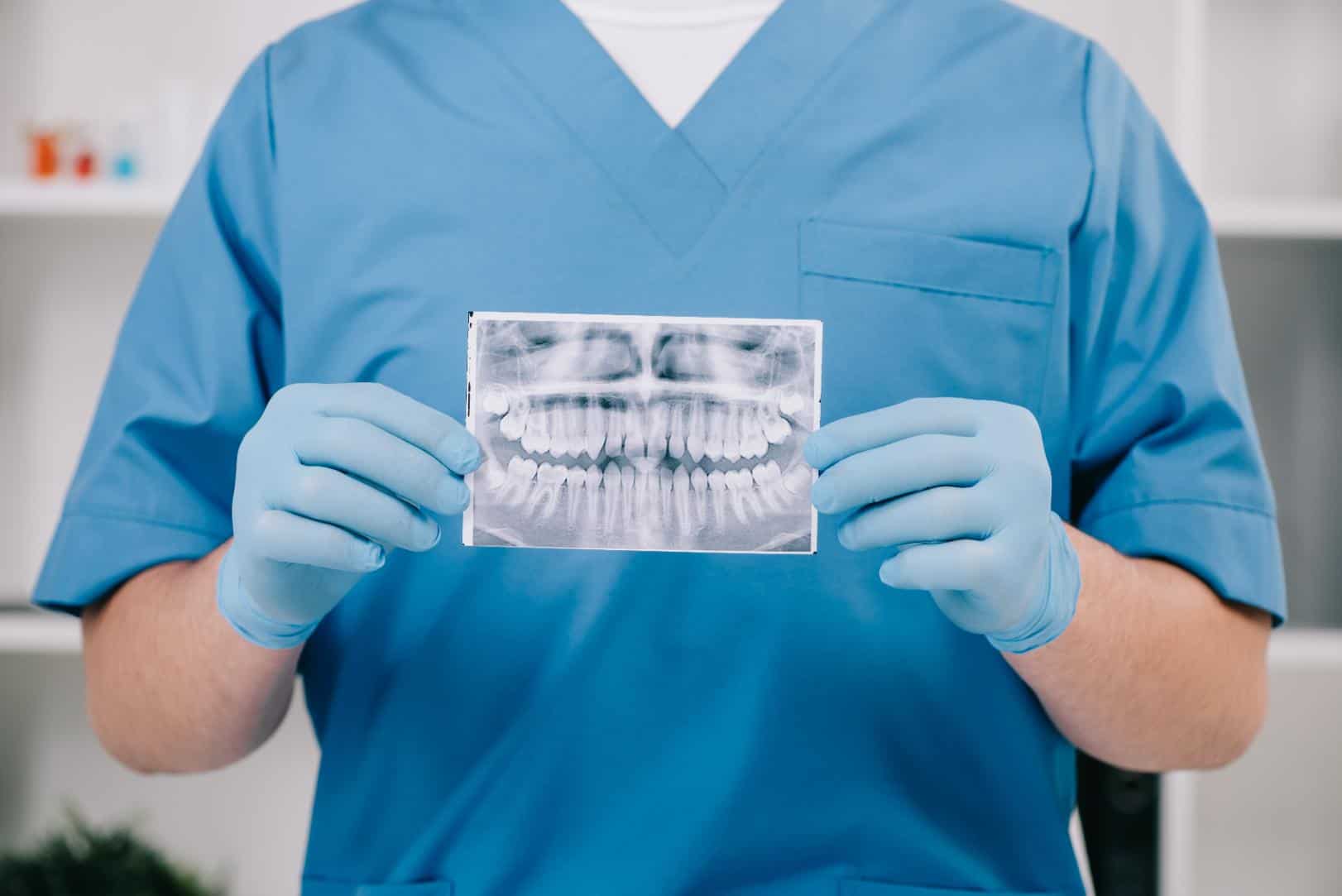
A useful treatment plan considers the teeth you see and those farther back. Straight front teeth can still meet unevenly, so appearance alone doesn’t tell the whole story. Your evaluation may include an examination, photographs, X-rays, and digital scans or impressions. These records help the dentist assess tooth roots, supporting bone, and the relationship between the upper and lower teeth.
Even a concern that appears limited to the bottom teeth may require treatment of both arches. Moving one group changes how it meets the other, so the dentist should explain why your plan includes the upper teeth, lower teeth, or both.
A digital model can then illustrate planned movements. The simulation is a planning tool, and progress checks show how your teeth are actually responding.
For patients considering Invisalign bite correction in West Orange, NJ, the consultation should connect those findings with clear goals. Ask which bite changes are expected, what the plan cannot address, and whether another approach could offer a more predictable result.
2. Reduce a Deep Bite
A deep bite means the upper front teeth overlap the lower front teeth too much vertically. Some overlap is normal, so the goal is an appropriate relationship between the teeth. Clear aligners for an overbite may gradually change the vertical position or angle of selected teeth. The exact movements depend on what creates the excessive overlap and how the back teeth fit together.
This can matter when a deep bite contributes to tooth wear or contact with the gums. Your dentist evaluates whether reducing that overlap would address the specific problem. Overjet is a separate measurement: how far the upper front teeth sit ahead of the lower front teeth horizontally.
Invisalign may improve selected overjet cases through planned tooth movement, sometimes with additional appliances. Because these patterns can occur together, a plan may need to address both. The distinction helps explain why two patients with similar-looking smiles may need different treatment.
3. Improve an Underbite
An underbite occurs when the lower front teeth sit ahead of the upper front teeth. The cause may involve the teeth themselves, the relationship between the jaws, or a combination. Invisalign may help a mild underbite that is mainly related to tooth position. Moving the teeth in a planned sequence can improve how the front teeth meet.
A more substantial difference in jaw size or position changes the conversation. Aligners move teeth, but they cannot by themselves correct every skeletal imbalance in a fully grown adult. Some patients need braces, a combined orthodontic approach, or jaw surgery for a significant skeletal problem. Growing patients may have different options because their jaws are still developing.
This is why an underbite assessment needs more than a photograph. Understanding the cause helps your dentist explain which improvements are realistic.
4. Reposition a Crossbite
A crossbite can involve one tooth or several teeth meeting in an abnormal relationship. Commonly, some upper teeth bite inside the lower teeth, either toward the front or farther back. Using aligners for a crossbite may help when individual tooth positions can be corrected safely. The treatment plan considers how those teeth will move past one another and meet afterward.
However, a crossbite can also reflect a narrow upper jaw. In that situation, expansion or another appliance may be needed, with the approach depending partly on age and remaining growth.
Ask whether the proposed changes involve moving teeth, widening the jaw, or both. Those are different goals, and ordinary aligner tooth movement should not be confused with predictable expansion of adult jawbone.
5. Close an Open Bite
An anterior open bite leaves a gap between the front teeth when the back teeth meet. That gap may make biting through some foods more difficult. In selected cases, Invisalign can help bring the front teeth into contact through controlled changes in tooth position. The plan may involve the front teeth, back teeth, or both.
Your dentist also considers what contributed to the open bite. Jaw growth patterns and habits such as prolonged thumb sucking can affect the treatment approach. Understanding those factors matters when planning for stability afterward. Simply closing the visible gap may not address everything influencing the bite.
Some open bites respond well to aligners, while others need additional treatment. A candid discussion should explain the expected change and the factors that could make it harder to achieve.
6. Manage Crowding and Gaps
Crowding and spacing can influence how teeth fit together, even when they first seem like cosmetic concerns. Rotated or overlapping teeth may need repositioning as part of a broader bite correction plan.
Invisalign can move crowded teeth or close selected gaps in stages. The dentist must first decide how to manage the available space without pushing teeth beyond healthy supporting tissues.
In some plans, this includes a small, controlled reduction of enamel between selected teeth. Other cases require different space-management methods, including extractions when appropriate.
Ask how space will be created or redistributed and why that method fits your situation. A clear explanation helps you understand how straightening the teeth supports the overall bite goal.
When a gap relates to a missing tooth, closing it may not be the chosen goal. Your dentist may instead plan the space for a replacement tooth and coordinate orthodontic treatment with restorative care. That sequencing can affect when each part of treatment happens.
7. Add Movement Control
Bite correction aligners sometimes need help directing particular movements. Small attachments or elastics can become part of the plan when the trays alone would not provide enough control. Attachments are tooth-colored shapes bonded to selected teeth. They give the aligners surfaces to push against so the dentist can guide specific movements.
Elastics apply additional force between the upper and lower teeth. Their placement and wear schedule depend on the bite correction being attempted. These additions may be more visible than the trays themselves. Asking about them before treatment helps you picture what wearing Invisalign will involve.
Their use also explains why treatment is more than receiving a stack of clear trays. The prescribed combination of aligners and supporting features matters, and you should use each part as directed.
8. Check Your Starting Point
Invisalign candidacy depends on oral health as well as the type of bite problem. Teeth need suitable support before they are moved. Active gum disease, untreated decay, or planned dental work may need attention first. Existing crowns, missing teeth, or implants can also influence how the dentist designs treatment.
Being an adult doesn’t automatically rule out clear aligners. However, your dental history and the condition of your teeth and gums help determine what can be done safely.
Bring details of previous orthodontic treatment, gum problems, and recent dental work to your visit. If teeth shifted after earlier treatment, explain what happened with retainer wear. Those details can help shape a plan that accounts for both your dental health and your everyday routine.
Use the visit to discuss the practical details that will shape your care. Topics to cover include:
- Which bite changes are achievable with Invisalign.
- Whether attachments, elastics, or other procedures are expected.
- How alternatives compare for your particular case.
- What follow-up visits and retainers will involve.
Jaw pain deserves a separate assessment, too. Orthodontic bite changes have not been proven to treat temporomandibular disorders, so pain relief should not be assumed.
9. Make Daily Wear Work
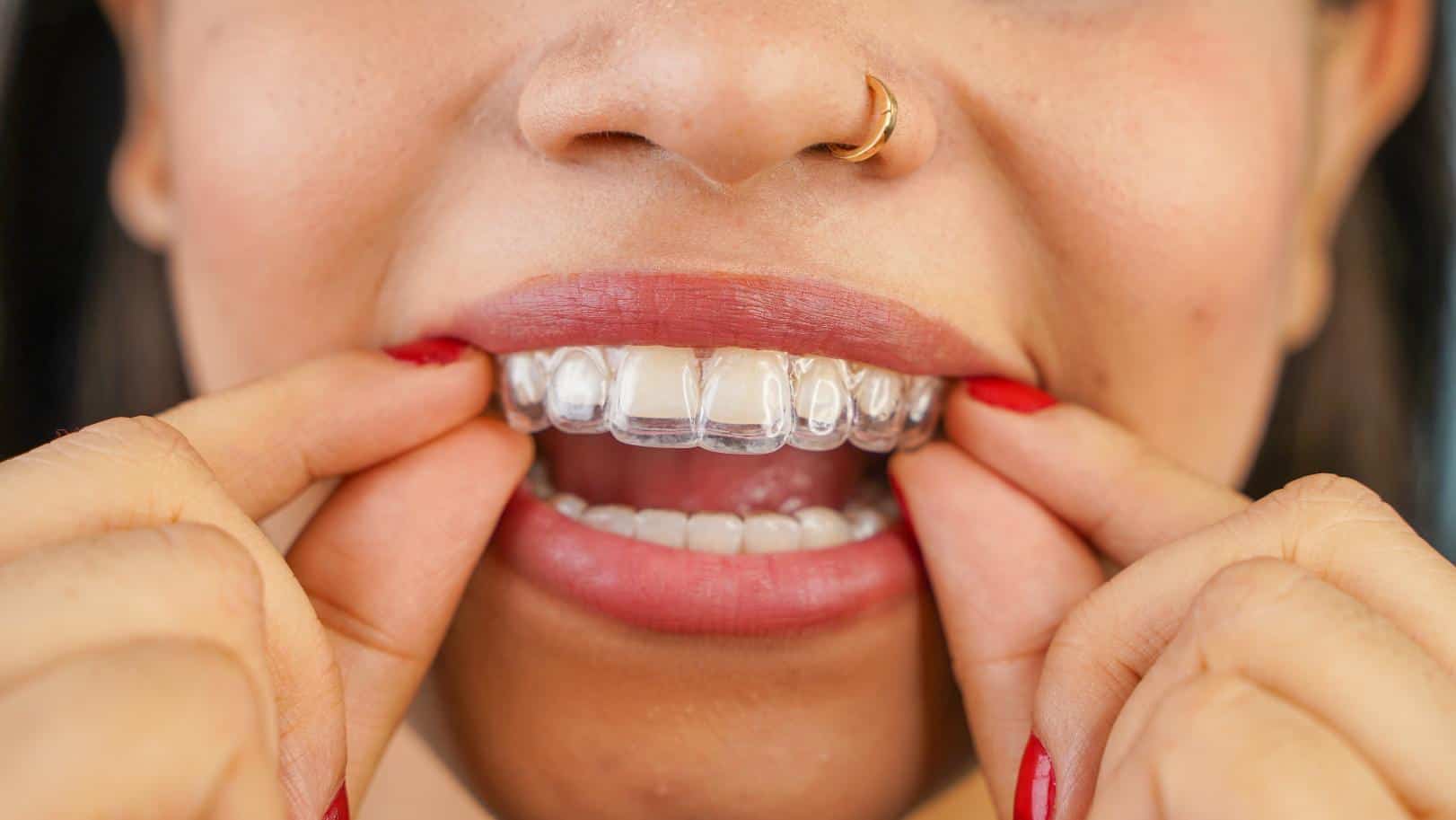
Daily habits help determine whether the planned tooth movements happen. Invisalign aligners are typically worn for 20 to 22 hours each day, following the treating dentist’s instructions. Remove them for eating and for drinks other than plain water. Keeping up with brushing, flossing, and cleaning the trays helps protect your teeth throughout treatment.
Be honest about whether that routine fits your day. Frequent snacking, long meals, or repeatedly forgetting to replace the trays can make consistent wear difficult.
Some pressure or tenderness can occur when starting treatment or changing trays. You may also notice a temporary change in speech as you get used to them. Ask what should settle and which symptoms warrant a call, especially if an edge repeatedly irritates your mouth.
10. Monitor and Maintain
Appointments also remain important after treatment begins. Your dentist checks the fit, tooth movement, and bite rather than relying only on the original digital preview. Some patients need additional aligner sets to refine the result. The total timeline depends on the required movements and response, so another patient’s schedule is not a reliable prediction.
If a tray stops fitting or you develop worsening pain, contact the practice. Your dentist can assess the issue and advise you about the next step.
After active treatment, retainers help maintain the new tooth positions. For patients pursuing Invisalign in NJ, understanding that ongoing commitment belongs in the initial decision.
Give Your Bite a Closer Look
Invisalign may offer more than a straighter smile when your bite problem can respond to the planned tooth movements. A thorough evaluation is the place to find out what that could mean for you.
Schedule an Invisalign consultation with us here at Northfield Dental Group in West Orange, NJ, to discuss your alignment, bite concerns, and treatment options!
 Our Practice
 Our Doctors
 Blog
 Special Offers
 Financing
 Testimonials